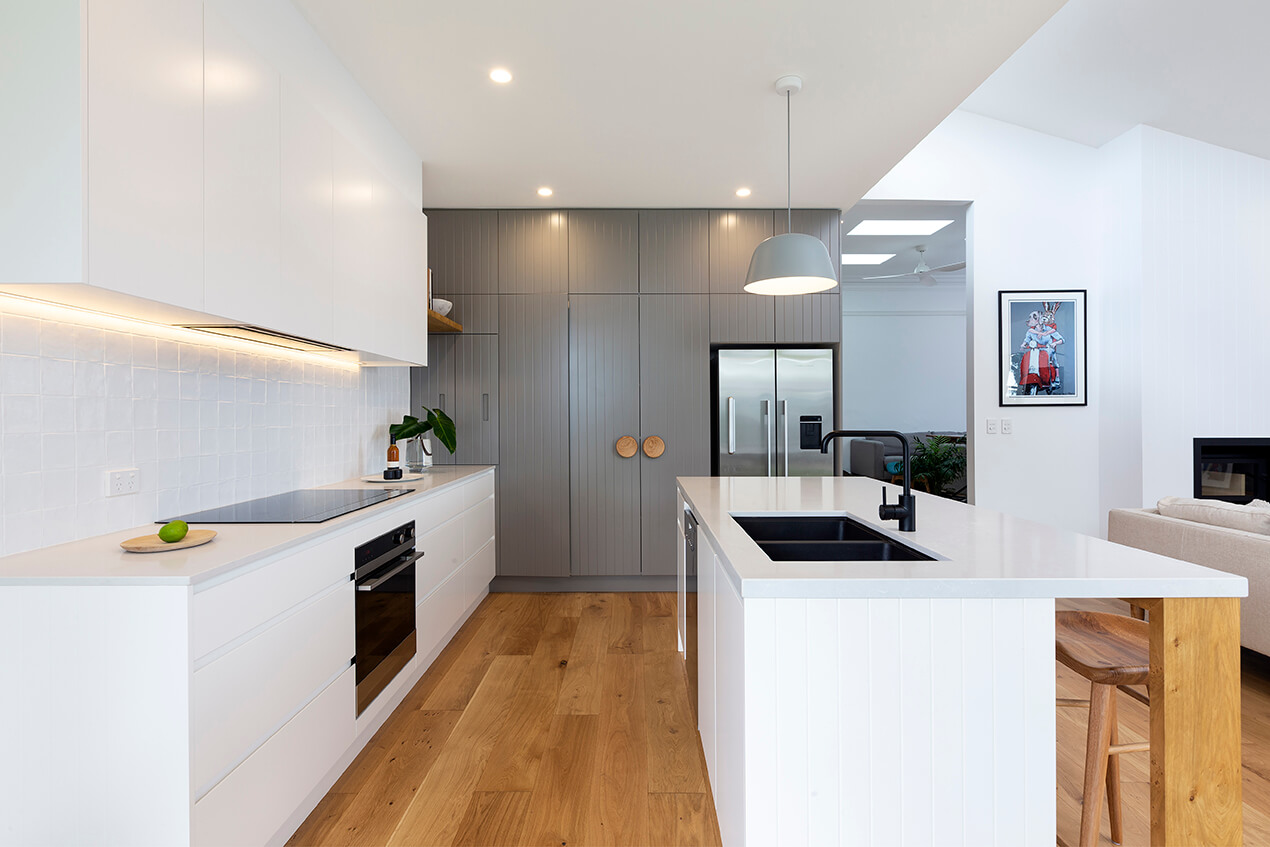
traditional wood kitchen cabinets of Alland Building Materials (shenzhen) Co., Ltd. is high-quality, exquisitely and practically designed. The product is designed by the professional and innovative design team and crafted by skillful and experienced workers, reflecting the finest workmanship in the industry. What’s more, the designs vary with the changes in the market in order to cater to the latest market needs.
With the rapid globalization, we attach great importance to the development of AllandCabinet. We have established a positive brand reputation management system including search engine optimization, content marketing, website development, and social media marketing. It helps build loyalty and increases customer's confidence in our brand, ultimately driving sales growth.
At AllandCabinet, we always believe in the principle of 'Quality First, Customer Foremost'. Besides the quality assurance of products including traditional wood kitchen cabinets, thoughtful and professional customer service is the guarantee for us to win the favors in the market.
When it comes to choosing the ideal finish for your kitchen cabinet, you have two main options viz. (1) Matte (2) Glossy. Regardless of you select particleboard, MDF (medium-density fiberboard), ply or solid wood doors for your cabinets, you need to choose the right finish to get the desired look and functionality for your kitchen.
For instance, you can use an oil coating for solid timber doors to get a country-style kitchen. Alternatively, you can choose a clear or coloured polyurethane for a more lasting finish. Besides, you can use kitchen-specific paints from any leading brand to paint manufactured boards like MDF or particleboard. If that is not an option, then you can use a two-pack polyurethane. Moreover, you can use a layer of wood veneer, vinyl wrap, melamine or laminate as a finish for cabinet doors. No matter what material or coating you use, you still have to opt between glossy and matte finish for the end product.
If you’re not able to decide which finish you should choose for your kitchen cabinet then don’t worry a bit as this blog will help you to arrive at a decision. The pros and cons of each finish explained herein, which will help you to decide which finish will suit your kitchen cabinetry better. So, let’s get started!
A high gloss finish is smooth and glossy; it reflects the light in the area at different angles, making it the favourite finish often chosen, especially for modern kitchen styles having flat cabinet fronts.

It’s easy to clean high gloss surface with a non-abrasive microfiber cloth. A microfiber cloth will grab any marks or dust particles on the surface. Besides, use mild dishwashing soap, a non-abrasive sponge and warm water to get rid of stubborn stains. Afterwards, clean the surface tenderly, and rinse and dry with a clean non-abrasive microfiber cloth.
The single most drawback is that fingerprints, scratches, dirt and other marks will be more visible and detectable as plenty of light reflects on the surface. On dark colour shades, even the tiny marks will be easily noticeable, so better to consider lighter-colour shades if you love high gloss finish.
High gloss finish reflects light on the surface whereas matt finish absorbs light. However, matt finish won’t look dull, especially with light colour shades. A matt finish is perfect for traditional or country style kitchen cabinets having routed fronts. However, matt finish will also look equally stylish on modern kitchen cabinets having flat fronts.

As light does not reflect, fingerprints, scratches and other marks are not easily noticeable on matt finish.
Matt finish produces a consistent colour effect. That’s because, in the absence of reflected light, colours in different areas of the cabinet fronts look identical.
Cleaning matt surface won’t be as easy as cleaning high gloss surface; still, you can clean the matt finish surface with a microfiber cloth.
With matt finish, you’ll get a muted look. It is not the best option for small or compact kitchen spaces because the light won’t reflect, and the area could feel constricted.
Modern design can mean different things to different people, but in general if your design style is less traditional and more contemporary, you may favor using modern kitchen cabinets in your remodel.
Modern design started around World War I and featured flat surfaces, geometric forms, and minimal ornamentation. Modern kitchen cabinets are characterized by this sleek, more angular design with a simplicity in their doors and frames. Recent modern design reflects a trend towards midcentury modern furniture, which features bold angles and curves. This design can be translated into modern kitchen cabinetry as well. Modern kitchen islands can harbor modern cabinets that reflect this angular or curved look and also feature up-to-date components to store cookware and dishware.

Materials common in modern kitchen cabinets are often man-made and can include metal, plastic, concrete and glass. Semi-opaque or frosted glass is definitely a popular look for modern kitchen cabinets. Replacing old cabinet doors with frosted glass ones is a simple and cost-effective way to make your kitchen more modern. Modern kitchen cabinets can also be faced with wood veneer or plastic laminate. To achieve the characteristic modern look, you can use wood veneer with an exaggerated horizontal grain pattern. Mixed materials are also featured in modern kitchen design.
While traditional kitchen cabinets tend to be made of one type of wood throughout, modern kitchen cabinets can combine materials like wood, laminates, glass and metal to achieve a more unique feel.

Color is another unique feature in modern kitchen cabinets. While the natural colors of wood veneer are popular in this design aesthetic, so are bold, less traditional colors. Deep reds and blues and fluorescent yellows, oranges and greens can be been seen in more daring modern kitchen designs.
Regardless of the color or material used in your modern design, the most important thing to consider is the shape and form of your cabinet doors. Modern kitchen cabinets feature flat slab doors that avoid excessive details. No crown molding, raised panels or decorative carvings are seen, emphasizing flat, sleek surfaces instead.
The simplicity of a modern kitchen design allows for a more spacious and airy feel in your kitchen. Therefore this design style is favored among those with lots of windows in their kitchen as well as those with few. Homeowners who are working with small angular spaces may favor the look and function of modern kitchen cabinets as they favor function over ornamentation.
Are you considering a kitchen renovation and wondering about the cost of modern kitchen cabinets? Look no further! In this ultimate guide, we break down everything you need to know about the cost of modern kitchen cabinets. From materials and styles to installation and customization, we cover it all to help you make informed decisions for your kitchen remodel. Whether you're on a tight budget or looking to splurge on top-of-the-line cabinets, this guide has got you covered. So, grab a cup of coffee and get ready to dive into the world of modern kitchen cabinets cost!
When it comes to redesigning a kitchen, one of the most significant expenses is the cost of modern kitchen cabinets. There are several factors that can affect the final price of these essential fixtures, and it's essential to understand them before making a purchase. In this ultimate guide, we'll explore the various factors that can impact modern kitchen cabinet costs, helping you make an informed decision for your kitchen remodel.
Material Quality
One of the most significant factors that can affect the cost of modern kitchen cabinets is the quality of the material used. High-quality materials such as solid wood, stainless steel, or high-end laminate will naturally come at a higher price point than cheaper alternatives. However, investing in high-quality materials can ensure the longevity and durability of your kitchen cabinets, ultimately saving you money in the long run.
Customization and Design
The level of customization and design complexity will also impact the cost of modern kitchen cabinets. Customized cabinets, unique finishes, and intricate designs will inevitably cost more than standard, off-the-shelf options. If you're looking for a specific style or aesthetic for your kitchen, be prepared to pay a premium for bespoke designs.
Size and Layout
The size and layout of your kitchen will also play a significant role in determining the cost of modern kitchen cabinets. Larger kitchens with more cabinet space will naturally require more materials, driving up the overall cost. Similarly, complex layouts or kitchen designs with specialized storage solutions can also add to the final price tag.
Hardware and Accessories
The type of hardware and accessories you choose for your modern kitchen cabinets will also impact the overall cost. High-quality hardware such as soft-close hinges, pull-out shelves, and custom drawer inserts will add to the final price, but can also enhance the functionality and convenience of your kitchen cabinets.
Additional Features
Beyond the basic design and functionality, there are a variety of additional features that can impact the cost of modern kitchen cabinets. Features such as integrated lighting, glass-front doors, or specialized organizational systems can all contribute to the final price. It's important to carefully consider which additional features are essential for your kitchen and which ones you can do without.
Installation and Labor
Finally, the cost of installation and labor will also need to be factored into the overall price of modern kitchen cabinets. Hiring a professional contractor or carpenter to install your cabinets can add a significant expense to the project. However, investing in professional installation can ensure that your cabinets are properly fitted and will last for years to come.
In conclusion, the cost of modern kitchen cabinets can be influenced by a variety of factors, including material quality, customization, size, hardware, additional features, and installation. By understanding these factors, homeowners can make informed decisions when it comes to investing in new kitchen cabinets. Whether you're looking for a budget-friendly option or a high-end, customized design, it's essential to consider these factors to ensure you get the best value for your money.
When it comes to renovating or remodeling your kitchen, one of the most significant investments you’ll make is in modern kitchen cabinets. With a wide range of options available on the market, it can be overwhelming to decide on the best type of cabinets for your kitchen. In this ultimate guide, we’ll take a deep dive into understanding the cost of modern kitchen cabinets, with a special focus on comparing different types.
There are several factors to consider when it comes to the cost of modern kitchen cabinets. These include the materials used, the size of your kitchen, the design and style of the cabinets, and the installation process. It’s crucial to keep these factors in mind when comparing the different types of modern kitchen cabinets.
One of the most popular types of modern kitchen cabinets is the flat-panel design. These cabinets are characterized by their smooth, sleek surfaces and minimalist hardware, making them a perfect choice for contemporary kitchens. Flat-panel cabinets are often made from materials such as wood, laminate, or MDF, and their cost can vary depending on the quality of the material.
Another popular type of modern kitchen cabinets is the shaker style. These cabinets feature a five-piece door with a recessed center panel, giving them a timeless and versatile look. Shaker cabinets are often made from solid wood, which can significantly impact their cost compared to other materials. Additionally, the design and detailing of shaker cabinets can also affect the overall cost.
For those looking for a more luxurious and high-end option, frameless modern kitchen cabinets are an excellent choice. These cabinets have a sleek and seamless appearance, as they don’t have a face frame on the front. Frameless cabinets are typically made from high-quality materials and require precise installation, which can contribute to their higher cost compared to other types of cabinets.
In contrast, traditional framed cabinets are a more affordable option for modern kitchens. These cabinets feature a front frame that adds stability and support, and they are available in various materials and designs. Their cost can be more budget-friendly compared to frameless cabinets, making them a popular choice for homeowners looking to save on their kitchen renovation.
When comparing the cost of modern kitchen cabinets, it’s essential to consider the pricing of both stock and custom options. Stock cabinets are pre-made and come in standard sizes and styles, making them a more cost-effective choice for many homeowners. On the other hand, custom cabinets are built to your exact specifications and can be more expensive due to the personalized design and craftsmanship involved.
In conclusion, understanding the cost of modern kitchen cabinets involves comparing different types based on their materials, designs, and installation processes. By considering these factors and exploring the various options available, you can make an informed decision that fits your budget and complements your kitchen style. With the right knowledge and research, you can find the perfect modern kitchen cabinets that meet your needs and enhance the overall look of your kitchen.
When it comes to modern kitchen cabinets, one of the most important factors to consider is the cost. The cost of modern kitchen cabinets can vary widely depending on a number of factors, including the materials used, the design and style of the cabinets, and the installation and labor costs. In this guide, we will take an in-depth look at understanding installation and labor costs for modern kitchen cabinets, so that you can make an informed decision when it comes to updating your kitchen.
Installation costs for modern kitchen cabinets can vary depending on a number of factors. The size and scope of the project, as well as the complexity of the design and installation, will all impact the overall cost. In general, the installation cost for modern kitchen cabinets can range from 10% to 20% of the total cost of the cabinets themselves. This cost includes the labor required to install the cabinets, as well as any additional materials or tools needed for the installation process.
Labor costs for modern kitchen cabinets can also vary depending on the complexity of the project and the skill level of the installer. In general, labor costs for modern kitchen cabinets can range from $50 to $100 per hour. It's important to keep in mind that while some homeowners may choose to install their own cabinets to save money, hiring a professional installer can ensure that the job is done correctly and efficiently, saving you time and hassle in the long run.
There are a few things to keep in mind when it comes to understanding installation and labor costs for modern kitchen cabinets. First, it's important to consider the overall scope of the project. If you are completely remodeling your kitchen and installing new cabinets, you may need to factor in additional costs for demolition and removal of old cabinets, as well as any necessary electrical or plumbing work. These additional costs can add up quickly, so it's important to budget accordingly.
Another important factor to consider when it comes to installation and labor costs for modern kitchen cabinets is the materials used. The cost of labor and installation can vary depending on the type of cabinets you choose, as well as the materials used in the construction of the cabinets. For example, cabinets made from solid wood may require more intricate installation than cabinets made from engineered wood or laminate, which can impact the overall cost of labor.
In addition to considering the materials and scope of the project, it's important to research and compare the cost of labor and installation from different contractors or installation companies. Getting multiple quotes can help you to understand the average cost of installation and labor for modern kitchen cabinets in your area, and can help you to find the best value for your budget.
In conclusion, understanding installation and labor costs is a crucial part of understanding the overall cost of modern kitchen cabinets. By considering the scope of the project, the materials used, and the cost of labor and installation, you can make an informed decision when it comes to updating your kitchen. Whether you choose to install the cabinets yourself or hire a professional, being aware of the potential costs involved can help you to budget effectively and ensure that you get the kitchen of your dreams.
Modern kitchen cabinets can significantly enhance the aesthetics and functionality of your kitchen space. However, embarking on a kitchen cabinet project can be daunting, especially when it comes to budgeting. With the right budgeting tips, you can ensure that your modern kitchen cabinet project stays within your financial means while still achieving the desired results.
Before delving into the budgeting tips for modern kitchen cabinet projects, it's crucial to understand the various factors that contribute to the overall cost. The cost of modern kitchen cabinets can vary depending on the materials, design, size, and additional features. For example, high-quality materials such as solid wood or metal can significantly drive up the cost, while intricate designs and customizations can also add to the overall expenses.
When it comes to budgeting for modern kitchen cabinets, it's essential to first establish a clear budget based on your financial capabilities. This initial budget should take into account not only the cost of the cabinets themselves but also the expenses for installation, labor, and any additional features or accessories. By having a clear budget in mind, you can make informed decisions and avoid overspending.
One of the most effective budgeting tips for modern kitchen cabinet projects is to prioritize your needs over your wants. While it's natural to be drawn to fancy designs and high-end materials, it's important to assess your actual needs and prioritize functionality and durability over aesthetics. By focusing on the essentials, you can avoid unnecessary expenses and ensure that your budget is allocated to the most critical aspects of your kitchen cabinet project.
Another key budgeting tip is to explore different materials and finishes to find the best balance between quality and cost. For example, opting for laminate or veneer finishes can provide a cost-effective alternative to solid wood without compromising on aesthetics. Similarly, considering pre-assembled or flat-pack cabinets can also help reduce costs while still delivering a modern and stylish look for your kitchen.
In addition to choosing the right materials and finishes, it's also essential to carefully plan and measure your space to avoid unnecessary costs. By accurately measuring the dimensions of your kitchen and considering the layout and storage needs, you can minimize waste and ensure that you're investing in the right amount of cabinetry for your space.
When it comes to installation and labor costs, it's advisable to obtain multiple quotes from reputable contractors to compare prices and negotiate the best deal. While it may be tempting to cut costs by opting for DIY installation, it's crucial to assess your skills and capabilities realistically. Improper installation can lead to costly mistakes, so it's often worth investing in professional labor to ensure a seamless and long-lasting finish.
In conclusion, budgeting for modern kitchen cabinet projects requires careful planning, prioritization of needs, and a keen eye for cost-effective alternatives. By taking the time to understand the contributing factors to the overall cost and implementing these budgeting tips, you can achieve a modern and stylish kitchen without breaking the bank. With the right approach to budgeting, your modern kitchen cabinet project can be a rewarding investment that adds value to your home for years to come.
When it comes to modern kitchen cabinets, finding the perfect balance between cost, quality, and value can often be a challenging task. With countless options available in today’s market, understanding the cost factors and how to maximize value and quality in modern kitchen cabinets is essential for homeowners looking to upgrade their kitchen space.
Material selection is the foundation of maximizing value and quality in modern kitchen cabinets. The type of material used can have a significant impact on cost, durability, and overall aesthetic appeal. While solid wood cabinets are a popular choice for their timeless appeal and durability, they often come with a higher price tag. On the other hand, laminate and thermofoil cabinets offer a more budget-friendly option without compromising quality and style. Understanding the pros and cons of each material is crucial in making an informed decision that aligns with both budget and desired design.
In addition to material selection, the construction and design of modern kitchen cabinets play a vital role in their cost and overall value. Custom cabinets are often associated with higher costs but offer the advantage of personalized design and functionality tailored to the homeowner’s specific needs. This level of customization can maximize the value of the cabinets by ensuring they are perfectly suited to the kitchen space and lifestyle. Alternatively, semi-custom and stock cabinets provide cost-effective options without sacrificing quality, offering a range of standard designs and sizes to choose from.
Another key factor to consider when maximizing value and quality in modern kitchen cabinets is the hardware and accessories. Quality hardware, such as hinges, drawer slides, and handles, can significantly impact the durability and functionality of the cabinets. While higher-quality hardware may come with a higher initial cost, it can ultimately prolong the lifespan of the cabinets and enhance their overall value. Additionally, incorporating well-designed accessories, such as pull-out shelves, built-in organizers, and soft-close mechanisms, can further elevate the functionality and convenience of the kitchen cabinets.
Furthermore, the finish and style of modern kitchen cabinets can also influence their cost and value. High-quality finishes, such as stained wood or painted surfaces, can add a luxurious aesthetic and long-lasting durability to the cabinets. Opting for a timeless and versatile style, such as shaker or flat-panel doors, can increase the overall value of the cabinets by ensuring they remain stylish and relevant for years to come. Additionally, investing in professional installation by experienced craftsmen can maximize the value of modern kitchen cabinets by ensuring they are installed with precision and care, ultimately extending their lifespan and performance.
In conclusion, understanding the cost factors and how to maximize value and quality in modern kitchen cabinets is essential for homeowners seeking to upgrade their kitchen space. By carefully considering material selection, construction and design, hardware and accessories, finish and style, as well as professional installation, homeowners can ensure they make informed decisions that align with their budget and desired kitchen aesthetic. With the right approach, modern kitchen cabinets can be a worthwhile investment that not only enhances the functionality and beauty of the kitchen but also adds long-term value to the home.
In conclusion, understanding the cost of modern kitchen cabinets is essential for anyone looking to renovate their kitchen. With the help of this ultimate guide, we hope we have provided you with valuable insights and tips to help you make informed decisions about your kitchen cabinet project. Whether you are working with a tight budget or have the freedom to invest in high-end cabinets, knowing the factors that impact the cost will ultimately help you create a space that meets your needs and reflects your style. With our 16 years of experience in the industry, we are confident in our ability to guide you through the process and provide you with the best solutions for your modern kitchen cabinet needs. We hope this guide has been helpful, and we look forward to helping you transform your kitchen with modern and stylish cabinets.
Are you looking to create a timeless and sophisticated kitchen design? Look no further than the classic elegance of white cabinets in traditional kitchens. In this article, we will explore the charming appeal and versatility of white cabinetry, and how it can transform any traditional kitchen into a beautiful and inviting space. From timeless design trends to the practical benefits of white cabinets, we will delve into why this style is a beloved choice for homeowners and designers alike. Join us as we discover the enduring allure of white cabinets in traditional kitchens.
In the world of interior design, trends come and go, but one style that has stood the test of time is the traditional kitchen with white cabinets. Whether you’re a homeowner looking to update your kitchen or a designer seeking inspiration for a new project, understanding the timeless appeal of white cabinets in traditional kitchens is essential.
When it comes to traditional kitchens, white cabinets are a staple feature that exudes classic elegance. The clean, bright look of white cabinets brings a sense of freshness and timelessness to any kitchen space. This versatile color also has the ability to make a room feel larger and more airy, which is particularly important in smaller or more enclosed kitchen layouts. In traditional kitchens, where the focus is often on creating a warm and welcoming atmosphere, white cabinets can help achieve a perfect balance between sophistication and comfort.
One of the key characteristics of traditional kitchens is their emphasis on craftsmanship and attention to detail. The use of white cabinets in these spaces allows for the intricate woodwork and ornate hardware to stand out, adding a touch of refinement and luxury. The simplicity of white cabinets also provides the perfect backdrop for showcasing other design elements, such as decorative tile backsplashes, vintage-inspired lighting fixtures, and richly colored countertops. By choosing white cabinets, homeowners and designers have the flexibility to create a traditional kitchen that is tailored to their unique style and preferences.
In addition to their aesthetic appeal, white cabinets also offer practical benefits in traditional kitchens. They are a timeless choice that can seamlessly adapt to evolving trends and personal tastes, ensuring that the kitchen will remain relevant and attractive for years to come. White cabinets also have the ability to brighten up the space and reflect natural light, making the kitchen a more inviting and functional environment for cooking and entertaining.
When it comes to incorporating white cabinets into traditional kitchens, there are countless design possibilities to explore. For those seeking a more formal and stately look, raised-panel white cabinets with elegant molding and decorative accents are a popular choice. On the other hand, those interested in a more relaxed and casual feel may opt for simple, Shaker-style white cabinets that offer a more understated charm. Regardless of the specific style, the key to successfully incorporating white cabinets into traditional kitchens lies in finding the right balance between classic design elements and modern functionality.
In conclusion, white cabinets play a central role in the enduring appeal of traditional kitchens. Their timeless look, versatility, and ability to enhance the overall aesthetic of a space make them a popular choice for homeowners and designers alike. By understanding the unique charm and practical benefits of white cabinets in traditional kitchens, one can create a kitchen that exudes classic elegance and sophistication while remaining functional and inviting. Whether it’s a complete kitchen remodel or a simple update, the enduring popularity of white cabinets in traditional kitchens makes them a wise and stylish choice for any home.
The allure of classic white cabinetry in traditional kitchens is undeniable. With its timeless elegance and versatile appeal, white cabinets continue to be a popular choice for homeowners looking to create a timeless and sophisticated space in their homes. Whether you are a fan of traditional or modern design, white cabinets never fail to bring a sense of classic beauty to any kitchen.
The clean and crisp look of white cabinetry is a perfect fit for traditional kitchens. The bright and light color not only creates a sense of spaciousness but also adds a touch of freshness and purity to the entire kitchen space. It effortlessly complements traditional design elements such as detailed molding, ornate hardware, and rich wood finishes, creating a cohesive and harmonious look that is both inviting and comforting.
When it comes to traditional kitchens, white cabinets offer a sense of timelessness and enduring beauty. Their classic appeal transcends trends and fads, making them a lasting choice that will never go out of style. Whether you prefer a cozy farmhouse kitchen or a stately manor-inspired space, white cabinets can adapt to any traditional design aesthetic, adding a touch of elegance and refinement to the heart of your home.
In addition to their aesthetic appeal, white cabinets also have the advantage of being incredibly versatile. They can be paired with a wide range of countertop materials, backsplash options, and flooring choices, allowing for endless customization and personalization. Whether you opt for a classic marble countertop, a rustic butcher block surface, or a sleek quartz finish, white cabinets serve as the perfect canvas for showcasing your unique style and design preferences.
Another benefit of white cabinetry in traditional kitchens is its ability to naturally brighten and open up the space. This is especially advantageous for smaller kitchens or those with limited natural light. The reflective properties of white cabinets help bounce light around the room, creating a sense of airiness and brightness that can make even the smallest of kitchens feel more spacious and inviting.
For those who appreciate the charm and character of traditional design, white cabinets offer the perfect foundation for creating a warm and welcoming kitchen space. Whether you choose to adorn them with classic hardware or opt for a more streamlined and modern look, white cabinets in traditional kitchens never fail to exude a sense of timeless elegance and sophistication.
In conclusion, the allure of classic white cabinetry in traditional kitchens is as strong as ever. Its timeless appeal, versatility, and ability to create a bright and open space make it a perfect choice for those looking to infuse their kitchen with a sense of elegance and charm. Whether you are drawn to the warmth of a traditional farmhouse kitchen or the grandeur of a classic manor-inspired space, white cabinets will continue to stand the test of time as a beloved design choice for homeowners seeking a timeless and beautiful kitchen.
When it comes to traditional kitchen spaces, white cabinets are a timeless and elegant choice that can add a touch of classic charm to any home. Whether you’re renovating an old farmhouse or designing a new kitchen with a vintage aesthetic, there are plenty of design tips to consider when incorporating white cabinets into a traditional kitchen.
First and foremost, it’s important to consider the style of the kitchen when choosing white cabinets. Traditional kitchens often feature elements such as raised panel cabinet doors, decorative moldings, and intricate hardware. When selecting white cabinets for a traditional kitchen, opt for classic design details such as raised panel doors with beaded or cove moldings, and antique brass or oil-rubbed bronze hardware to add an extra layer of sophistication.
In addition to the style of the cabinets, the choice of materials is also crucial in creating a traditional look. For a truly timeless feel, consider using solid wood cabinets with a white painted finish. Wood cabinets with a white painted finish can add warmth and character to the kitchen, while also providing a durable and long-lasting option that will stand the test of time.
Another important consideration when incorporating white cabinets into a traditional kitchen is the countertop and backsplash selection. To complement the classic elegance of white cabinets, consider using natural stone countertops such as marble or granite, which can add a touch of luxury to the space. For the backsplash, consider using subway tile in a classic white or a soft, neutral color to create a timeless look that will never go out of style.
When it comes to creating a cohesive look in a traditional kitchen, it’s important to pay attention to the details. From the choice of cabinet hardware to the selection of lighting fixtures and accessories, every element of the design should work together to create a harmonious and classic feel. Consider using vintage-inspired lighting fixtures such as lantern-style pendants or antique sconces to add a touch of old-world charm to the space.
Finally, don’t be afraid to add personal touches to the design to make the space feel truly unique. Whether it’s incorporating a vintage-inspired rug or displaying a collection of antique kitchenware, adding personal touches can help to make the space feel inviting and lived-in.
In conclusion, incorporating white cabinets into a traditional kitchen can add a touch of classic elegance and timeless charm to any home. By paying attention to the style of the cabinets, the choice of materials, and the selection of complementary elements, it’s possible to create a traditional kitchen space that is both beautiful and functional. With a careful eye for detail and a focus on classic design, it’s possible to create a traditional kitchen that will stand the test of time.
When it comes to traditional kitchen decor, few choices are as timeless and elegant as white cabinets. Not only do white cabinets provide a clean and fresh look, but they also offer the flexibility to create a cohesive design that complements the overall traditional style of the kitchen.
One of the key elements of creating a cohesive look with white cabinets in a traditional kitchen is to pay attention to the details. From the hardware to the backsplash, every choice should be made with the goal of enhancing the classic elegance of the space.
Starting with the cabinets themselves, choosing a style that aligns with the traditional aesthetic is crucial. Raised panel or Shaker-style doors are popular choices for traditional kitchens, as they provide a sense of understated sophistication. Additionally, opting for a creamy white or antique white finish can add warmth and character to the cabinetry, further contributing to the traditional look.
In addition to the cabinet style and finish, the hardware plays a crucial role in creating a cohesive look. Traditional kitchens often feature ornate and detailed hardware, such as antique brass or oil-rubbed bronze handles and knobs. These small touches can add a sense of charm and authenticity to the space, tying the cabinets into the overall traditional decor.
Another important aspect to consider when creating a cohesive look with white cabinets in a traditional kitchen is the choice of countertops. Classic options such as marble, granite, or butcher block can complement the white cabinetry while adding texture and visual interest. For a truly traditional touch, incorporating a farmhouse sink can further enhance the timeless appeal of the space.
When it comes to the backsplash, opting for a classic subway tile or a patterned ceramic tile can add a touch of vintage charm to the kitchen. The backsplash serves as an opportunity to introduce color or pattern, which can further enhance the cohesive look of the space.
Lighting also plays a significant role in traditional kitchen decor, and selecting fixtures that complement the white cabinets is essential. Chandeliers, pendant lights, or sconces with ornate detailing can add an elegant touch to the space while tying in with the traditional aesthetic.
Finally, incorporating traditional decor elements such as decorative moldings, glass-front cabinets, and furniture-style details can further enhance the cohesive look of the kitchen. These elements add layers of texture and visual interest, contributing to the overall elegance of the space.
In conclusion, creating a cohesive look with white cabinets in traditional kitchens involves careful attention to detail and a thoughtful selection of elements that complement the classic style. By carefully choosing cabinet styles, hardware, countertops, backsplashes, lighting, and traditional decor elements, it is possible to achieve a timeless and elegant kitchen that exudes classic charm and sophistication.
White cabinets have long been a staple in traditional kitchen designs, bringing a sense of classic elegance and timeless appeal to the space. However, maintaining and caring for white cabinets in a traditional kitchen setting can be a bit challenging, as they are more prone to showing dirt, stains, and wear and tear than darker colored cabinets. In this article, we will explore various techniques and tips for keeping your white cabinets looking pristine in a traditional kitchen setting.
First and foremost, it is essential to invest in high-quality materials and finishes when installing white cabinets in a traditional kitchen. Opt for durable and easy-to-clean materials such as laminate, thermofoil, or painted wood to ensure that your cabinets will stand the test of time. Additionally, consider choosing a gloss or semi-gloss finish, as these options are easier to wipe clean and resist stains better than matte finishes.
Regular cleaning and maintenance are crucial for preserving the pristine appearance of white cabinets in a traditional kitchen. Start by dusting the cabinets with a microfiber cloth or soft brush to remove any surface dirt and debris. Then, use a gentle cleaner specifically designed for kitchen cabinets to wipe down the surfaces, paying special attention to areas prone to spills and splatters, such as around the stove and sink. Avoid using abrasive cleaners or rough scrubbing pads, as these can scratch and dull the finish of the cabinets.
In addition to regular cleaning, it is important to address any stains or marks as soon as they occur to prevent them from setting in and becoming more difficult to remove. For everyday stains and spills, a mixture of warm water and mild dish soap can be effective at breaking down the grime without damaging the cabinet finish. For tougher stains, such as grease or wine, a paste made from baking soda and water can be applied to the affected area and gently scrubbed with a soft cloth.
Furthermore, proper care and maintenance of the hardware and accessories on white cabinets are integral to preserving their timeless appeal in a traditional kitchen setting. Make sure to regularly tighten loose hinges and handles, and lubricate any moving parts to prevent squeaking and sticking. When cleaning the hardware, use a non-abrasive cleaner and avoid soaking or scrubbing vigorously to prevent damage to the finish.
Lastly, considering the layout and design of the kitchen can also contribute to the maintenance and care of white cabinets in a traditional setting. Proper ventilation and lighting can help to prevent the buildup of moisture and mold, which can cause discoloration and warping of the cabinet material. Additionally, strategically placing mats and trivets near high-traffic and high-use areas, such as the stove and sink, can help to protect the cabinets from heat and moisture damage.
In conclusion, white cabinets can bring a sense of classic elegance to a traditional kitchen, but they require proper maintenance and care to keep them looking pristine. By investing in high-quality materials, regularly cleaning and addressing stains, maintaining the hardware, and considering the kitchen layout, you can ensure that your white cabinets will stand the test of time and continue to add timeless charm to your traditional kitchen setting.
In conclusion, white cabinets in traditional kitchens exude an air of classic elegance that never goes out of style. Their timeless appeal and versatile nature make them a popular choice for homeowners looking to create a sophisticated and inviting space. As a company with 16 years of experience in the industry, we understand the importance of delivering high-quality products and excellent customer service to help bring your dream kitchen to life. Whether you're renovating an old farmhouse or building a new home, white cabinets are a timeless choice that will always stand the test of time in traditional kitchen designs.
Are you tired of looking at your outdated kitchen cabinets but don't want to spend a fortune on a complete remodel? Look no further! In our beginner's guide to DIY cabinet painting, we will show you how to completely transform your kitchen with a fresh coat of paint. Say goodbye to old, drab cabinets and hello to a stylish and modern kitchen, all while saving money and adding your own personal touch. Whether you're a seasoned DIYer or a complete novice, this guide will walk you through the process step by step, so you can achieve professional and stunning results. Say hello to your new kitchen with our beginner's guide to DIY cabinet painting!
Are you ready to transform your kitchen but unsure of where to start? Painting your cabinets can be a cost-effective and rewarding DIY project that can instantly update the look of your space. However, choosing the right paint and supplies is crucial to ensure a professional and long-lasting finish. In this beginner’s guide to DIY cabinet painting, we will walk you through the process of selecting the best paint and supplies to achieve your desired look.
When it comes to painting your cabinets, there are a few key factors to consider. First and foremost, you’ll want to choose a paint that is specifically formulated for use on cabinets and furniture. Look for a high-quality, durable paint that is designed to withstand the wear and tear that comes with daily use in the kitchen. Additionally, opt for a paint with a semi-gloss or satin finish, as these will not only provide a smooth and easy to clean surface, but they will also resist moisture and stains.
In terms of color, consider the overall design of your kitchen. Are you looking to create a bright and airy space? Consider a crisp white or light gray for a timeless and clean look. If you prefer a more modern or dramatic style, a deep navy or black can create a bold statement. Whatever color you choose, be sure to select a paint that is tintable to achieve your desired shade.
Once you have chosen the perfect paint, it’s time to gather the necessary supplies. You will need a few essential tools including sandpaper, a good quality paintbrush, a foam roller, a paint tray, and painter’s tape. Sandpaper is crucial for prepping the cabinets, as it will create a smooth surface for the paint to adhere to. A high-quality paintbrush and foam roller will ensure a smooth and even application of paint, while painter’s tape will help you achieve clean lines and protect your surfaces from paint splatter.
Before you begin the painting process, it’s important to properly prepare your cabinets. Start by removing all hardware, such as knobs and handles, and thoroughly clean the surfaces to remove any grease or grime. Once the cabinets are clean and dry, use the sandpaper to lightly roughen the surfaces, creating a better bond for the paint. Be sure to thoroughly clean off any dust from sanding before you begin to paint.
When painting your cabinets, it’s best to apply the paint in thin, even coats to avoid drips and streaks. Start with the cabinet doors, painting the inside panels first and then moving to the outer edges. Once the doors are dry, you can move on to the cabinet frames, working from the top down. Be sure to allow ample drying time between coats, and don’t rush the process.
In conclusion, choosing the right paint and supplies is essential for a successful DIY cabinet painting project. By selecting a high-quality paint that is designed for use on cabinets and furniture, as well as gathering the necessary tools and taking the time to properly prepare your surfaces, you can achieve a professional-looking finish that will stand the test of time. So, roll up your sleeves and get ready to give your kitchen a fresh new look with a coat of paint!
Are you tired of your old, dated kitchen cabinets but don't have the budget to replace them? If so, a fresh coat of paint could be the perfect solution to give your kitchen a whole new look. In this beginner's guide to DIY cabinet painting, we're going to walk you through the crucial first step: prep work. Cleaning and sanding your cabinets is essential for ensuring a smooth, long-lasting finish, so let's get started.
Cleaning your cabinets is the first step in preparing them for painting. Over time, grease, grime, and dirt can build up on the surfaces, making it difficult for paint to adhere properly. To begin, remove all hardware, including knobs, handles, and hinges, and set them aside in a safe place. Next, mix a solution of warm water and mild dish soap, and use a sponge or soft cloth to wash down the cabinet doors, drawers, and frames. Be sure to pay extra attention to any areas that are particularly dirty or greasy, and rinse with clean water when finished. Allow the cabinets to dry completely before moving on to the next step.
Once your cabinets are clean and dry, it's time to move on to sanding. Sanding is a crucial step in the process, as it helps to roughen up the surface of the wood, allowing the paint to adhere more effectively. Start by lightly sanding the cabinets with a fine-grit sandpaper, such as 120-grit, until the surface is smooth to the touch. Be sure to sand in the direction of the wood grain, and pay extra attention to any areas where the existing finish may be chipped or peeling. Once you've sanded the entire surface, use a tack cloth or a damp cloth to remove any dust or debris before proceeding.
In addition to cleaning and sanding, there are a few more prep work steps to consider before you start painting. One important consideration is the type of paint you plan to use. For cabinets, it's best to choose a high-quality, durable paint that is specifically designed for use on wood surfaces. Additionally, consider using a primer before applying the paint, especially if your cabinets are dark or have a glossy finish. Primer can help to even out the surface and provide a better base for the paint to adhere to.
Finally, be sure to create a suitable workspace for your painting project. This may involve setting up a tarp or drop cloth to protect your floors and countertops, as well as ensuring adequate ventilation in the room where you'll be working. Proper ventilation is key when painting cabinets, as it will help the paint to dry more quickly and prevent fumes from building up in your home.
In conclusion, while painting your kitchen cabinets can be a time-consuming and labor-intensive project, the results are well worth the effort. By taking the time to thoroughly clean and sand your cabinets before you start painting, you'll be setting yourself up for success and ensuring a professional-looking finish that will stand the test of time. So roll up your sleeves, gather your supplies, and get ready to transform your kitchen with a fresh new look. With the right prep work and a little DIY spirit, you'll have beautifully painted cabinets in no time.
If you're looking to transform your kitchen on a budget, painting your cabinets is a great DIY project that can make a big impact. However, before you start slapping on that new color, it's important to take the right steps to ensure a professional-looking finish. One of the most crucial steps in the cabinet painting process is applying primer and base coats. Here's a beginner's guide to getting it right.
The first step in preparing your cabinets for painting is to thoroughly clean them. Use a degreaser to remove any built-up grime and grease, and then lightly sand the surfaces to create a smooth, paint-friendly finish. Once your cabinets are clean and prepped, it's time to apply the primer.
Primer is essential for ensuring that your paint adheres well to the surface of the cabinets. It also helps to seal any knots or imperfections in the wood, creating an even base for your paint. When choosing a primer, look for one that is specifically designed for use on cabinets and offers good adhesion and stain-blocking properties. If you're painting over a dark or heavily stained cabinet, consider using a tinted primer to help with coverage.
When applying the primer, use a high-quality brush or foam roller to ensure even coverage. Start with the doors and drawer fronts, and then move on to the cabinet frames. Allow the primer to dry completely before moving on to the next step.
Once the primer is dry, it's time to apply the base coats of paint. Again, it's important to choose a high-quality paint that is specifically designed for use on cabinets. This will ensure a durable finish that stands up to the daily wear and tear that kitchen cabinets are subjected to.
Before you start painting, be sure to thoroughly stir the paint to ensure an even consistency. When applying the paint, use long, even strokes to minimize brush marks and create a smooth finish. It's also important to apply the paint in thin, even coats to avoid drips and runs.
Depending on the color and type of paint you're using, you may need to apply two or more coats to achieve the desired finish. Be sure to allow each coat to dry completely before applying the next one, and lightly sand between coats to smooth out any imperfections.
In addition to applying primer and base coats, there are a few other tips to keep in mind when painting your cabinets. For example, consider removing the cabinet doors and hardware before painting to make the process easier and ensure a professional-looking finish. It's also important to properly ventilate the area and protect surrounding surfaces from paint drips and spills.
By taking the time to properly prep and prime your cabinets, and applying quality base coats of paint, you can achieve a beautiful, professional-looking finish that will give your kitchen a whole new look. With the right tools and techniques, painting your cabinets can be a rewarding and cost-effective DIY project that will breathe new life into your space.
If you're looking to revamp your kitchen on a budget, one of the most impactful changes you can make is painting your cabinets. Not only does it freshen up the look of your kitchen, but it can also add value to your home. And with the right techniques, you can achieve a professional finish that will make your cabinets look like new.
When it comes to DIY cabinet painting, adding detail and design can take your project to the next level. Whether you want to add a pop of color, create a distressed look, or enhance the natural wood grain, there are several techniques you can use to achieve a custom, professional finish.
Before you begin, it's important to gather all the necessary supplies. You'll need paint, primer, sandpaper, brushes, rollers, and painter's tape, as well as any additional materials for the specific techniques you plan to use. Take the time to prepare your cabinets by removing the doors and hardware, cleaning and sanding the surfaces, and applying primer.
Once your cabinets are prepped and ready to go, it's time to start painting. If you're looking to add detail and design, consider using a different color or finish for the cabinet doors and frames. For example, you could paint the frames a neutral color and the doors a bold accent color to create visual interest. You may also want to consider using a specialty paint finish, such as high-gloss, matte, or distressed, to add texture and depth to your cabinets.
If you want to enhance the natural wood grain of your cabinets, consider using a technique called glazing. This involves applying a glaze over the paint to create a subtle, aged look. You can also use a technique called antiquing, which involves applying a dark glaze over a lighter base coat and then gently removing some of the glaze to create a distressed, vintage look.
Adding decorative elements, such as stencils or decals, is another way to add detail and design to your cabinets. You can use stencils to create patterns or designs on your cabinet doors, or apply decals for a more personalized touch. This is a great way to incorporate your own unique style into your kitchen while adding visual interest to your cabinets.
Once you've finished painting and adding detail and design to your cabinets, it's important to protect your hard work with a clear coat or sealant. This will help to ensure that your cabinets maintain their professional finish for years to come.
In conclusion, DIY cabinet painting is a great way to transform your kitchen on a budget, and adding detail and design can take your project to the next level. Whether you're looking to add a pop of color, enhance the natural wood grain, or incorporate decorative elements, there are several techniques you can use to achieve a professional finish. With the right supplies, careful preparation, and attention to detail, you can give your kitchen a fresh new look that will impress your family and friends.
So, you’ve finally completed the daunting task of painting your kitchen cabinets, and they look absolutely stunning. The fresh coat of paint has breathed new life into your kitchen and completely transformed the space. But now that the painting is done, it’s equally important to ensure that your newly painted cabinets are well-protected and properly maintained to keep them looking their best for years to come. In this article, we’ll discuss some important tips and tricks for protecting and maintaining your newly painted cabinets, so you can continue to enjoy the beautiful results of your hard work.
Once you’ve finished painting your cabinets, it’s essential to allow ample time for the paint to cure before reattaching the doors and drawers. This can take anywhere from a few days to a few weeks, depending on the type of paint and the specific drying instructions. While it may be tempting to reassemble everything right away, allowing the paint to fully cure will ensure a strong and durable finish that will withstand regular use.
To protect your newly painted cabinets from everyday wear and tear, consider applying a clear polyurethane topcoat. This will provide an extra layer of protection against scratches, water damage, and other common issues. Be sure to choose a topcoat that is specifically designed for use on painted surfaces and follow the application instructions carefully for best results.
In addition to applying a topcoat, it’s important to be mindful of how you use and clean your cabinets to prevent damage to the painted finish. Avoid using harsh chemicals or abrasive cleaners, as these can strip away the paint and cause permanent damage. Instead, opt for gentle, non-abrasive cleaners and a soft cloth to wipe down the cabinets as needed. This will help to preserve the integrity of the paint and keep your cabinets looking fresh and new.
Another key aspect of maintaining your newly painted cabinets is to handle them with care. Avoid slamming the doors and drawers, and be mindful of sharp or rough objects that could scratch or chip the paint. By treating your cabinets with respect and being mindful of how you use them, you can help to prolong the life of the paint and keep your kitchen looking beautiful for years to come.
In conclusion, painting your kitchen cabinets is a fantastic way to give your kitchen a fresh new look without breaking the bank. However, it’s equally important to protect and maintain your newly painted cabinets to ensure that they continue to look their best for years to come. By allowing the paint to fully cure, applying a protective topcoat, using gentle cleaners, and handling the cabinets with care, you can enjoy the beautiful results of your DIY cabinet painting project for a long time. With the right tools and techniques, you can transform your kitchen and create a space that you’ll love to spend time in.
In conclusion, transforming your kitchen with a fresh coat of paint on your cabinets is a beginner-friendly project that can make a significant impact on the overall look and feel of your space. By following the step-by-step guide provided in this article, you can confidently tackle this DIY project and create a kitchen that feels brand new. Whether you're a seasoned DIY-er or just starting out, with good planning, the right tools, and a little patience, you can achieve professional-looking results. So, roll up your sleeves and get ready to give your kitchen a makeover that will leave you feeling proud and satisfied. And remember, if you need any assistance or advice along the way, our company with 16 years of experience in the industry is here to help!

Copyright © 2026 Copyright@Alland Group